
What Does Yuka Flag in Medicube's PDRN Serum?
Medicube's PDRN Pink Peptide Serum reads 58/100 on Yuka, in the Good band. Four of the six flagged ingredients are the same class of polymer, the fifth is an undeclared fragrance, and none of the five peptides is flagged at all.
Safe Cosmetics
Author

Quick Facts
PDRN Pink Peptide Serum
by Medicube
Yuka reads Medicube's PDRN Pink Peptide Serum at 58 out of 100, in the Good band. We took the reading in the app on 7 September 2026, where it is listed as "Medicube Pdrn Pink Peptide Serum". Six ingredients are flagged, every one of them at low risk, and twenty-six come back risk-free.
Fifty-eight is the same number the brand's PDRN Capsule Cream returns, and the two products get there in almost the same way. That is the interesting part.
Six Flags, Four of Them Doing One Job
- Sodium acrylate / sodium acryloyldimethyl taurate copolymer, low risk. A thickener and emulsion stabiliser.
- Acrylates crosspolymer, low risk. Yuka truncates the name; on the published list it appears as acrylates / C10-30 alkyl acrylate crosspolymer. Another thickener.
- Glyceryl acrylate / acrylic acid copolymer, low risk. A humectant that also controls viscosity.
- Glycereth-26, low risk. Humectant and thickener, and the ingredient this serum shares with three other Medicube products we have read.
- Disodium EDTA, low risk. A chelator.
- Fragrance, low risk. Declared on the list as a single word, which is the one entry here worth arguing about.
Four of the six are polymers in the same family, doing the same work: making a watery serum feel like a serum instead of like water. Strip them out and the product would still contain everything it is sold for, and it would run off your hand.
Because the unflagged list is where the marketing lives, it is worth naming. Niacinamide, hydrolysed collagen, sodium DNA, atelocollagen, ubiquinone, copper tripeptide-1, acetyl hexapeptide-8, palmitoyl pentapeptide-4, palmitoyl tripeptide-1 and palmitoyl tetrapeptide-7 all came back risk-free. Not one active in this serum collects a flag.
One oddity we noticed and cannot resolve: disodium EDTA is declared second on the published ingredient list, ahead of the niacinamide. Chelators normally sit near the bottom of a list because they are used at trace levels. No concentration is published for this formula, so we can tell you the position is unusual and we cannot tell you what it means.
The One Flag That Is About Your Skin
Five of the six flags are structural. The sixth is fragrance, and fragrance is the flag that actually predicts whether a product will annoy sensitive skin.
The published list gives one word and no composition. That matters, and the Regulation itself shows why. Limonene, a common fragrance component, holds entry 88 in Annex III of Regulation (EC) No 1223/2009, and its condition is a labelling duty in the Commission's own wording: the presence of the substance must be indicated in the ingredient list once it exceeds 0.001% in a leave-on product or 0.01% in a rinse-off one. Medicube's own Zero Pore Pad 2.0 declares limonene by name for exactly that reason.
This serum's list names no such component. Either the fragrance in it sits below the thresholds that would force a name, or the published list we checked is not complete. We cannot tell you which, and anyone who tells you they can is guessing.
If you react to fragranced products, treat that as the real information on this page. The polymers are not what you would be reacting to.
What the EU Restricts Here
We looked all six flagged ingredients up in CosIng on 14 September 2026. CosIng is the European Commission's own database of cosmetic substances and the machine-readable form of the annexes to Regulation (EC) No 1223/2009, and we use it so that we are reporting a regulator's position rather than an app's.
No annex entry came back for any of the six. The four polymers hold inventory records describing them as viscosity controllers, film formers and emulsion stabilisers. Disodium EDTA is recorded as a chelating and viscosity-controlling agent. "Parfum" holds an inventory record with fragrance and perfuming functions and no restriction, which is unsurprising, because the Regulation restricts named fragrance substances rather than the word covering them.
Six flags. Zero entries in any annex. The Commission attaches its own caveat to every inventory record and we carry it verbatim: inclusion in the CosIng inventory is not an indication of authorisation, and only the Regulation itself has legal value in that respect.
A Count We Could Not Reconcile
Yuka's reading implies thirty-two ingredients: six flagged plus twenty-six risk-free. The published INCI list we checked runs to forty.
All six flagged ingredients appear on the published list, so the flags are solid. The totals are eight apart. Medicube sells more than one serum under a PDRN Pink Peptide name, including a mist and a rose version, and the most likely explanation is that the app and the retailer are describing slightly different formulas. We would rather tell you the numbers disagree than quietly report the one we prefer.
Who This Is Still Fine For
- Anyone buying it for the peptides. All of them are unflagged, and the score is not a comment on them.
- Skin that tolerates fragrance without complaint. If a fragranced serum has never caused you a problem, five of the six flags here are irrelevant to you and the sixth probably is too.
- People who like the finish. The polymers Yuka penalises are the reason it sits under a moisturiser without pilling, which is a real benefit and not one the app measures.
Think twice if you have reactive or eczema-prone skin, or if you have already worked out that undeclared fragrance is a trigger for you. In that case a 58 is pointing at something true, even if it is pointing at it for the wrong reasons.
Higher-Scoring Alternatives
- Mussofi Anti-Dark Spot Unifying Serum, 100/100. No Yuka penalty of any kind. A brightening serum rather than a peptide one, so it is a swap in the routine slot, not in the job.
- Skin1004 Madagascar Centella Tone Brightening Capsule Ampoule, 93/100. The closest thing we hold in K-beauty terms, thirty-five points higher.
- Inside the same PDRN line, the PDRN Pink Collagen Toning Gel Toner Pad reads 91. If you want the line and the number, that is where both are.
Frequently Asked Questions
What is the Yuka score of the Medicube PDRN Pink Peptide Serum?
58/100, in the Good band, read on 7 September 2026. Six ingredients are flagged, all at low risk: four acrylate-family polymers, disodium EDTA and fragrance. Twenty-six further ingredients come back risk-free.
Are the peptides the problem?
No. None of the five peptides is flagged, and neither is the sodium DNA, the hydrolysed collagen or the niacinamide. Every flag on this formula is a texture ingredient or the fragrance.
Should the fragrance worry me?
Only if fragranced products have caused you problems before. What we can tell you is that the list declares "Fragrance" without naming a component, and that the EU requires named fragrance substances such as limonene to be declared above 0.001% in a leave-on product. This list names none.
Our Verdict
Worth keeping if it works for you. A 58 on this formula means six thickeners, a chelator and a fragrance, not a risky serum, and the entire reason you would buy it came back clean.
If you want the same brand and a much higher number, the PDRN pad at 91 is the answer and it is a genuinely different formula, not a rebadge. The full spread across the range sits in our Medicube Yuka guide, and every score we hold for the brand is on the Medicube hub.
More on Medicube
Every Medicube product we have analysed
- Collagen Night Wrapping MaskYuka 100/100
- PDRN Pink Collagen Toning Gel Toner PadYuka 91/100
- Zero Pore Blackhead Mud MaskYuka 80/100
- Collagen Jelly CreamYuka 79/100
- Deep Vita C PadsYuka 64/100
- Zero Pore PadYuka 62/100
- Zero Pore Pad 2.0Yuka 60/100
- PDRN Pink Collagen Capsule CreamYuka 58/100
Related Articles
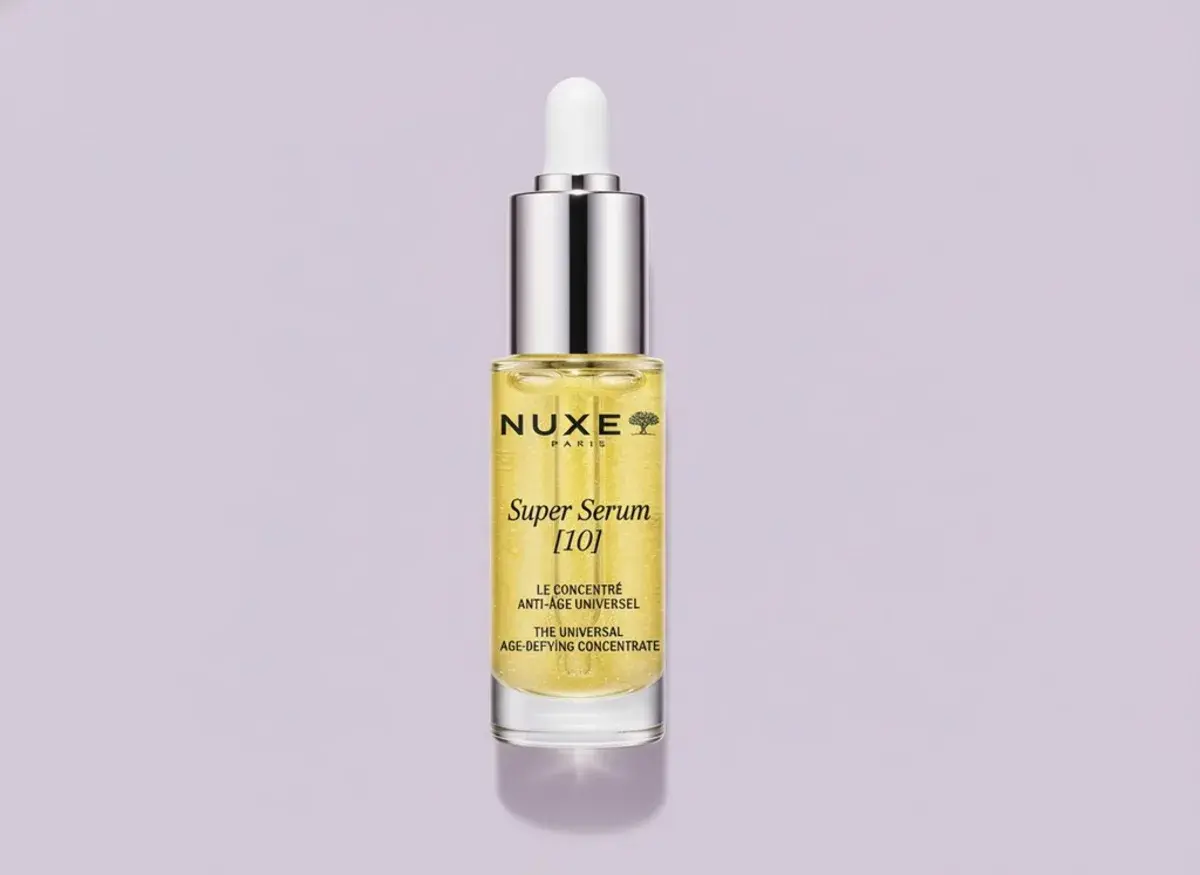
Nuxe Serum Review 2026 | Yuka Score 87/100
Looking for a clean anti-aging solution? Our 2026 Nuxe Serum review breaks down its impressive 87/100 Yuka score, key ingredients, and real skin performance for all types.

Beauty of Joseon Ginseng Essence Water: Who Is It For?
Looking for a clean serum? Our 2026 review of Beauty of Joseon Ginseng Essence Water explores its 93/100 Yuka score, deep hydration benefits, and why it is a skincare essential.

Skin 1004 Madagascar Centella Tone Brightening Capsule Ampoule Review 2026 | Yuka Score 93/100
Discover the power of Skin 1004 Madagascar Centella Tone Brightening Capsule Ampoule. Boasting a 93/100 Yuka score, this 2026 review explores its brightening and soothing benefits.